· 5 min read · By Dr. Andrew M. Khoury
Spinal cord stimulation (SCS) is one of the few pain treatments you can test drive. Before anything is placed for good, you wear a temporary system for about a week and see, in your own daily life, how much it helps.
What a spinal cord stimulator does
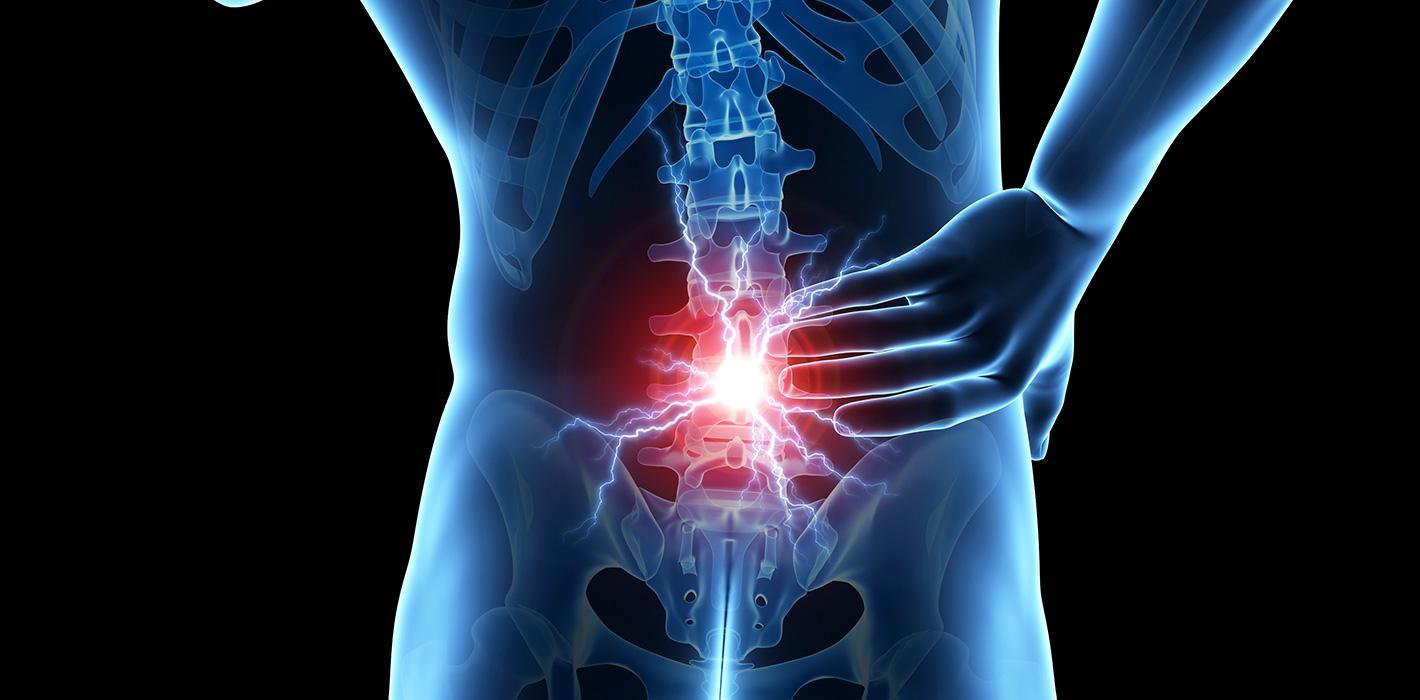
A stimulator sends gentle electrical pulses to the nerves in your spine. The pulses change how pain signals travel to the brain, so you feel less pain. Many newer systems give relief without any tingling at all.
It is most often used for nerve pain that has not improved with other care, such as pain that continues after back surgery, nerve pain in the legs, painful diabetic neuropathy and CRPS.
How the trial works
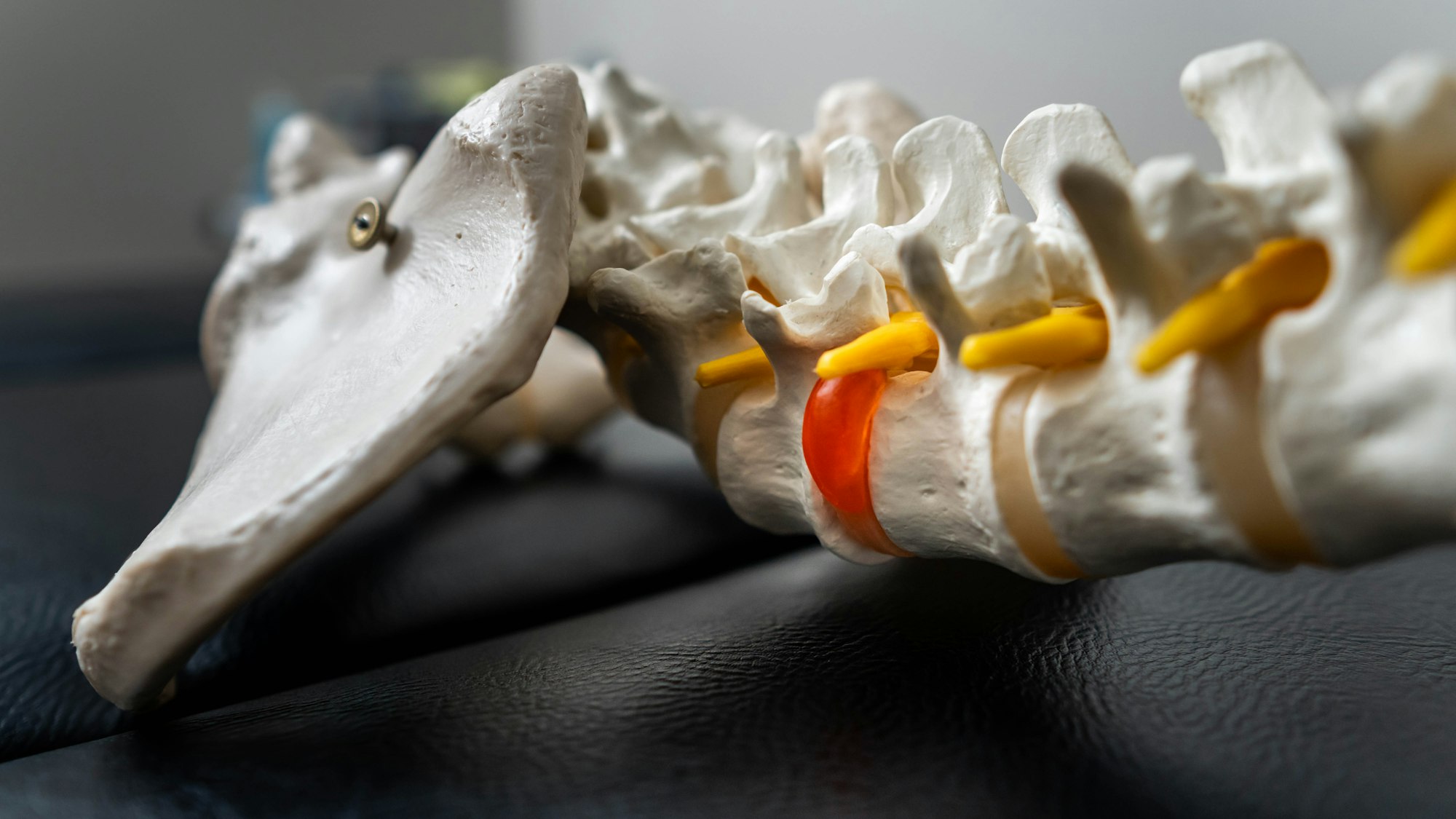
The trial is a short outpatient procedure. Using X-ray guidance, Dr. Khoury places one or two thin, flexible wires (called leads) through a needle into the space near the spinal cord. There is no large cut. The leads connect to a small battery that you wear on your belt.
You go home the same day and live your normal routine for about five to seven days. We ask you to keep track of your pain, your sleep and the things you are able to do, like walking, standing or doing chores.
During the trial, avoid heavy lifting, bending and twisting, and keep the bandage dry. A short visit at the end of the week removes the leads in the office. It takes only a few minutes.
Deciding on a permanent system
If the trial gives you good relief (most programs look for at least half of your pain to go away) and you are moving better, you can choose a permanent stimulator. The battery is placed under the skin, usually in the lower back or buttock, during a short outpatient procedure.
If the trial does not help enough, nothing permanent was done and we talk about other options. That is the whole point of trying first.
Getting ready
Most insurance plans need a few steps before a trial, such as recent imaging and a short visit with a pain psychologist. Our team helps you with this paperwork.
If you live with nerve pain that has not responded to other treatment, ask us whether a stimulator trial makes sense for you. We see patients in The Woodlands and Liberty, Texas.
This article is for general education and is not medical advice. Please talk with a doctor about your own symptoms and treatment.