· 4 min read · By Dr. Andrew M. Khoury
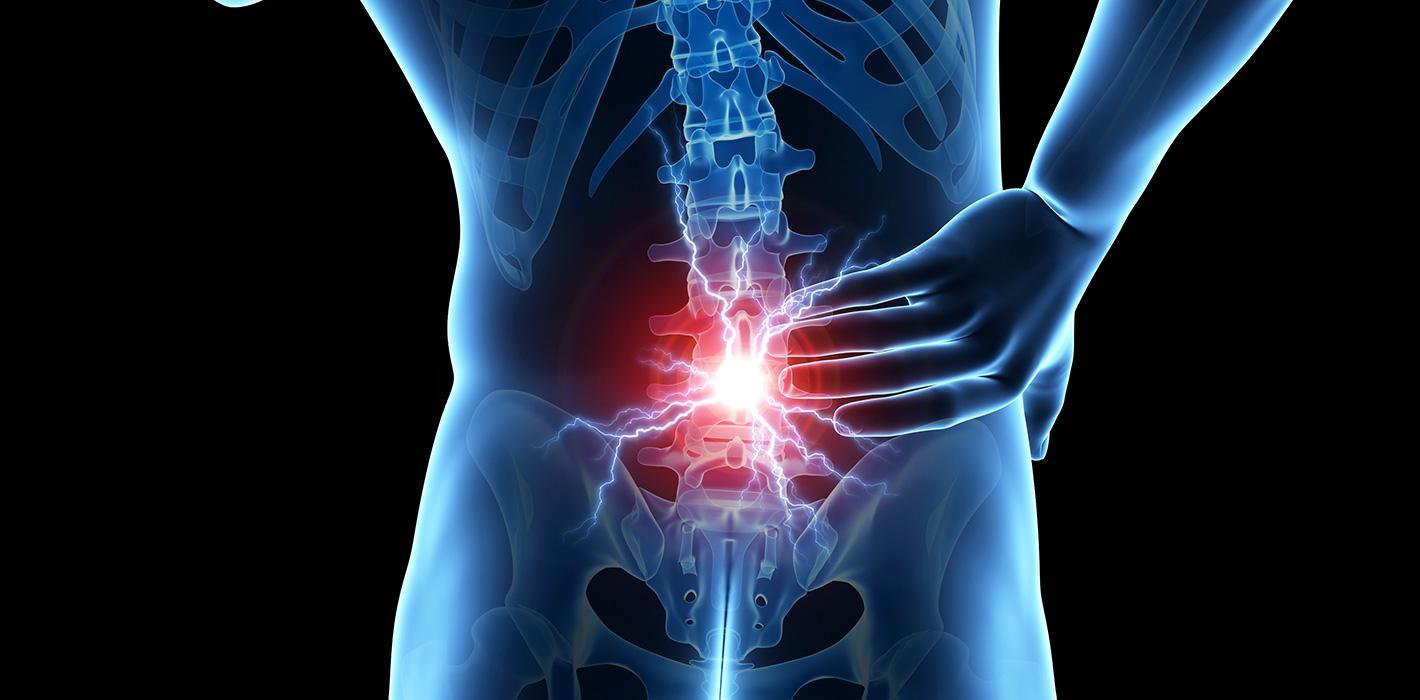
Sciatica is pain that starts in the lower back or buttock and shoots down one leg, sometimes all the way to the foot. It can feel sharp, burning or electric, and it may come with numbness, tingling or weakness.
What causes it
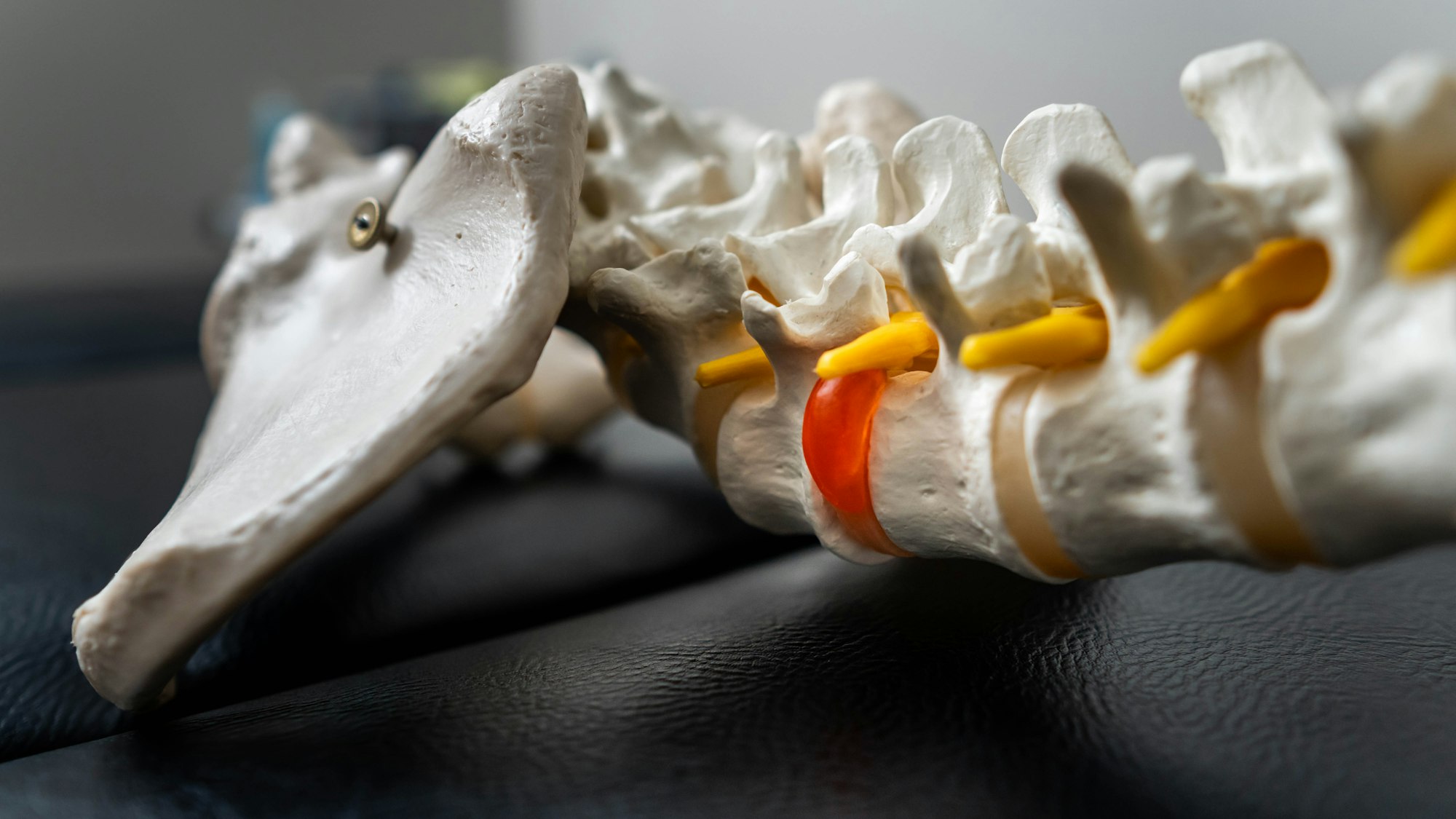
Sciatica happens when a nerve root in the lower back is squeezed or irritated. The most common cause is a herniated (bulging) disc. Spinal stenosis, which is narrowing of the spinal canal, and arthritis of the spine are other common causes.
Get help right away if you have these signs
Go to the emergency room if leg pain comes with loss of bladder or bowel control, numbness in the groin or inner thighs, or leg weakness that is getting worse quickly. These signs can mean a nerve is badly pinched and needs urgent care.
What to try first
The good news: most sciatica gets better on its own within a few weeks. Stay gently active, since short walks are better than bed rest. Heat or ice, over-the-counter pain relievers (if they are safe for you) and physical therapy can all help while the nerve calms down.
When to see a pain specialist
Make an appointment if the pain lasts longer than about six weeks, keeps you from sleeping or working, or keeps coming back. A pain specialist can find exactly which nerve is irritated and why.
At Advanced Spine and Pain Specialists, Dr. Khoury starts with a careful exam and a review of your imaging. Common treatments include:
- Epidural steroid injections, which place anti-inflammatory medicine right next to the irritated nerve using X-ray guidance
- Selective nerve root blocks, which can both relieve pain and confirm which nerve is the source
- Spinal cord stimulation for leg pain that continues after other treatment or after surgery
Sciatica care near you
Most patients never need surgery. If you live in The Woodlands, Spring, Conroe or north Houston, our main office on Interstate 45 is open Monday to Friday. Patients east of Houston can see Dr. Khoury at our Liberty office on Tuesdays.
This article is for general education and is not medical advice. Please talk with a doctor about your own symptoms and treatment.